
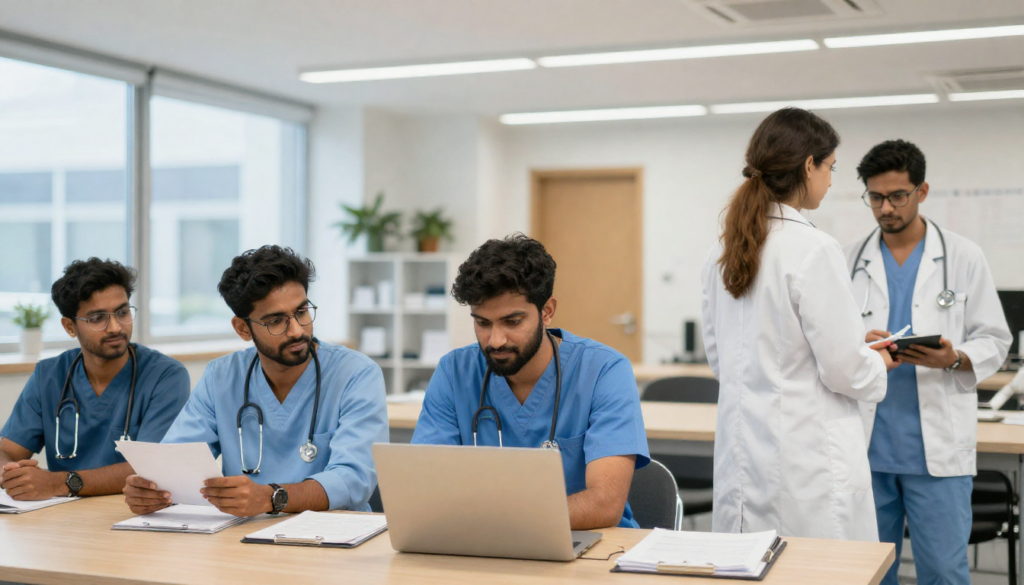
The United Kingdom has long been a preferred destination for students seeking high-quality healthcare education. While nursing remains one of the most popular choices, the healthcare industry offers many other rewarding career paths that are equally important to modern healthcare systems. These programs prepare graduates to work in hospitals, rehabilitation centres, research institutions, diagnostic laboratories, and community healthcare settings.
For Indian students planning to study abroad, exploring healthcare courses beyond nursing can open doors to diverse career opportunities. Many of these professions are in demand, offer competitive salaries, and provide opportunities for professional growth within the UK’s healthcare sector and internationally.
If you are passionate about improving people’s health but want to pursue a career other than nursing, this guide introduces some of the best healthcare courses available in the UK.
Why Choose Healthcare Courses in the UK?
The UK is recognised for its internationally respected universities, advanced healthcare infrastructure, and practical learning approach. Healthcare programs combine classroom education with clinical placements, allowing students to gain valuable hands-on experience before entering the workforce.
Studying in the UK also provides exposure to one of the world’s most established healthcare systems. Students benefit from modern laboratories, experienced faculty, evidence-based teaching methods, and opportunities to work with multidisciplinary healthcare teams.
Graduates from UK universities are highly regarded by employers across many countries, making these qualifications valuable for long-term career development.
Physiotherapy
Physiotherapy is one of the most sought-after healthcare professions in the UK. Physiotherapists help patients recover from injuries, surgeries, neurological conditions, and mobility-related problems through physical rehabilitation and movement-based therapies.
Students learn anatomy, biomechanics, rehabilitation techniques, exercise therapy, and patient assessment throughout the course. Clinical placements provide real-world experience in hospitals, rehabilitation centres, sports clinics, and community healthcare facilities.
Physiotherapy is an excellent option for students who enjoy working directly with patients and helping them regain independence and physical function.
Radiography and Medical Imaging
Radiographers play a vital role in diagnosing and monitoring medical conditions through imaging technologies such as X-rays, MRI scans, CT scans, and ultrasound.
Healthcare providers continue to invest in advanced diagnostic equipment, increasing the demand for qualified imaging professionals. Students studying radiography gain practical knowledge of imaging techniques, patient safety, radiation protection, and healthcare technology.
Graduates can pursue careers in hospitals, diagnostic centres, specialist imaging facilities, and private healthcare organisations.
Biomedical Science
Biomedical science focuses on understanding diseases through laboratory research and diagnostic testing. Professionals in this field support doctors by analysing blood samples, tissues, and other biological specimens that help diagnose and monitor illnesses.
Students develop expertise in microbiology, immunology, genetics, pathology, molecular biology, and clinical laboratory techniques. Modern biomedical laboratories use sophisticated equipment, making this field ideal for students interested in science and medical research.
Biomedical scientists contribute significantly to disease diagnosis, medical research, and healthcare innovation.
Occupational Therapy
Occupational therapists help individuals regain the ability to perform everyday activities following illness, injury, or disability. Their work focuses on improving independence and enhancing quality of life.
The curriculum combines medical knowledge with rehabilitation techniques and patient-centred care. Students learn how to assess physical and cognitive abilities while developing personalised treatment plans for individuals of all ages.
Occupational therapists work in hospitals, rehabilitation centres, schools, mental health services, and community healthcare organisations.
Public Health
Public health professionals focus on improving the health of entire communities rather than treating individual patients. Their work includes disease prevention, health education, policy development, epidemiology, and healthcare planning.
This field is ideal for students interested in healthcare management, research, and public policy. Public health graduates often work with government agencies, healthcare organisations, NGOs, and international health institutions.
Growing awareness of preventive healthcare has increased the importance of qualified public health professionals worldwide.
Healthcare Management
Healthcare organisations require skilled professionals who can manage hospital operations, healthcare services, patient administration, and organisational planning.
Healthcare management programs combine healthcare knowledge with business principles such as leadership, finance, operations, and strategic planning. Graduates support healthcare institutions by improving efficiency, patient experience, and service delivery.
This course is suitable for students who wish to build careers in healthcare administration rather than clinical practice.
Nutrition and Dietetics
Transitioning from student life to professional healthcare practice can present challenges. New nurses must adapt to workplace responsibilities, patient care expectations, and fast-paced healthcare environments.
Time management, emotional resilience, and effective communication become increasingly important during the early stages of a nursing career. However, these challenges often contribute to professional growth and confidence.
Support from experienced colleagues, mentorship programs, and ongoing training can help newly registered nurses adapt successfully to their professional roles.
Choosing the Right Healthcare Course
Selecting the right course depends on your interests, strengths, and long-term career goals. Students who enjoy direct patient interaction may prefer physiotherapy or occupational therapy, while those interested in laboratory work may find biomedical science more suitable.
If leadership and organisational skills are your strengths, healthcare management may provide an excellent career pathway. Students passionate about community wellbeing may consider public health, while those interested in diagnostic technology can explore radiography.
Researching course content, practical training opportunities, university facilities, and future career prospects can help students make informed decisions before applying.
Career Opportunities After Graduation
Graduates from healthcare programs have opportunities to work across hospitals, research laboratories, rehabilitation centres, diagnostic facilities, community health organisations, and healthcare administration.
Many healthcare professions continue to experience steady demand due to ageing populations, advances in medical technology, and increasing healthcare needs. With the right qualifications and professional registration where required, graduates can pursue rewarding careers both in the UK and internationally. Continuing education and professional development also enable healthcare professionals to specialise further or progress into leadership and research roles.
Final Thoughts
The UK offers a wide range of healthcare programs beyond nursing, allowing students to build meaningful careers across different areas of healthcare. Whether your interest lies in rehabilitation, diagnostics, laboratory science, nutrition, healthcare leadership, or public health, there are numerous opportunities to match your aspirations.
Choosing a course that aligns with your interests and career goals is the first step toward a successful future in healthcare. With internationally recognised qualifications, practical training, and excellent career prospects, studying healthcare in the UK can provide a strong foundation for long-term professional success.